The Montessori philosophy is a child-centred educational method based on Maria Montessori’s theories of child development. She believed the early years of a child’s life are the most important for developing the child’s intelligence.
Dr Montessori spent many years studying what she called the absorbent mind of the child, and every piece of equipment she developed is designed to allow natural learning. The method is internationally recognised and flourishing in many countries.
“Follow the child.”
A carefully prepared environment
A classroom built around the child
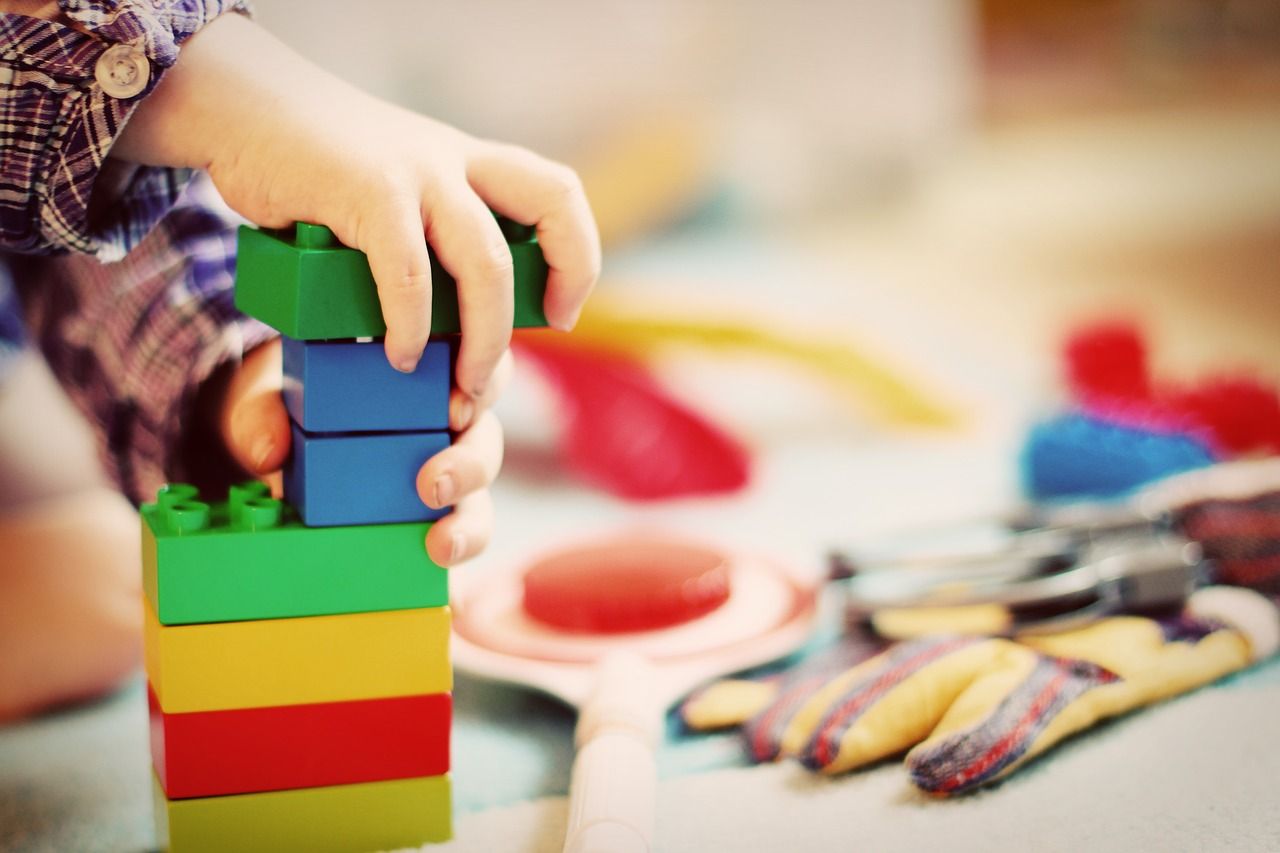
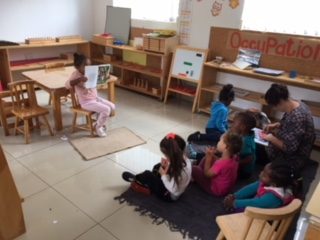
A Montessori classroom is a prepared environment where children act freely on their own initiative. The materials are designed to be inviting and inspiring, and they are presented with specific techniques across diverse subject areas that children explore independently.
The benefits are not only academic. The classroom develops social awareness, helping children live together in harmony and build a safe and peaceful world for the future.
The curriculum
The five areas of a Montessori classroom
Music and art run through every day, alongside these five areas.
Area one
Practical Life
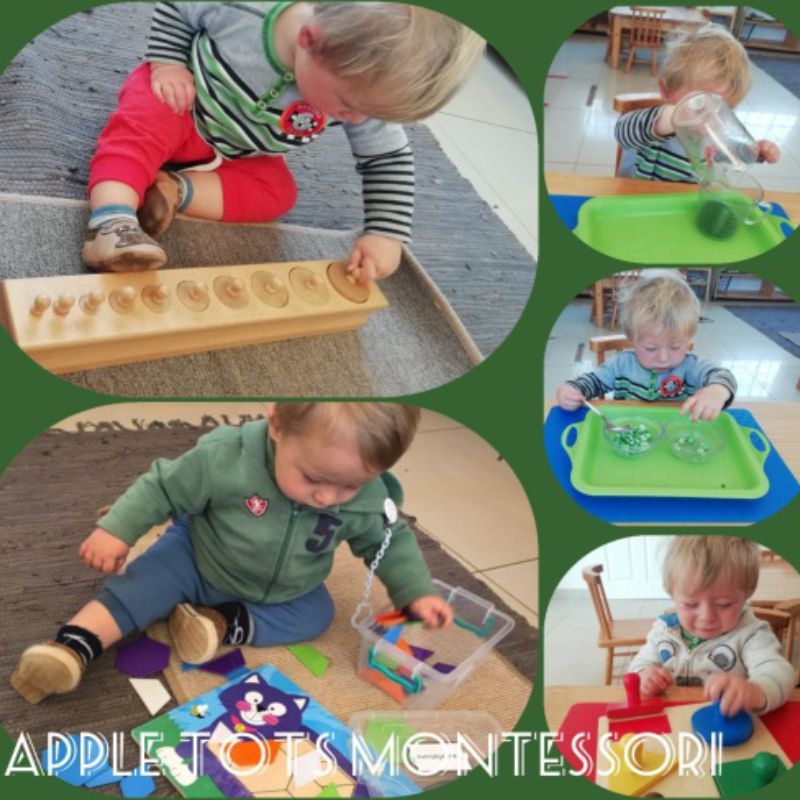
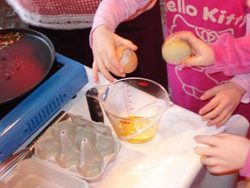
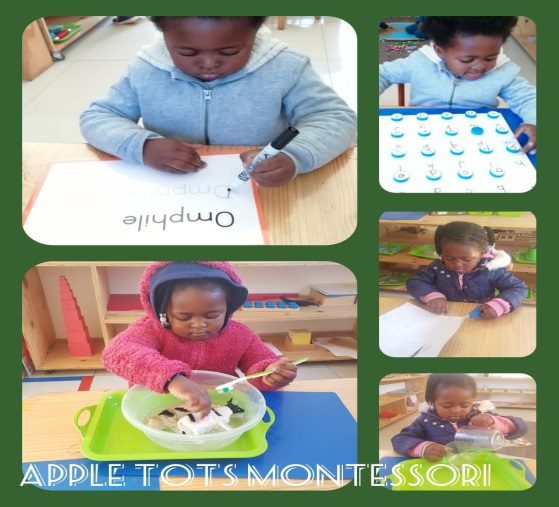
Practical Life activities teach children the skills they need for life. Children develop independence, gross and fine motor skills, social skills and an understanding of how to care for their environment. They practise the social graces of shaking hands, waiting their turn and even blowing their nose!
Area two
Sensorial
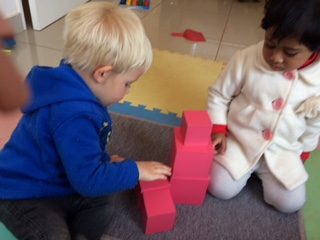
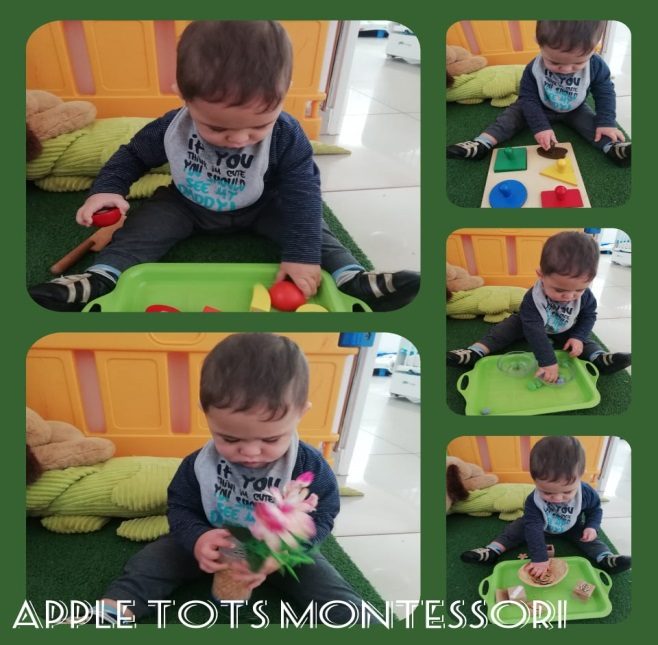
Children explore through their senses, working with size, texture, colour, weight, sound and smell. The materials invite repetition, and sensorial work prepares children for later maths and language development.
Area three
Language
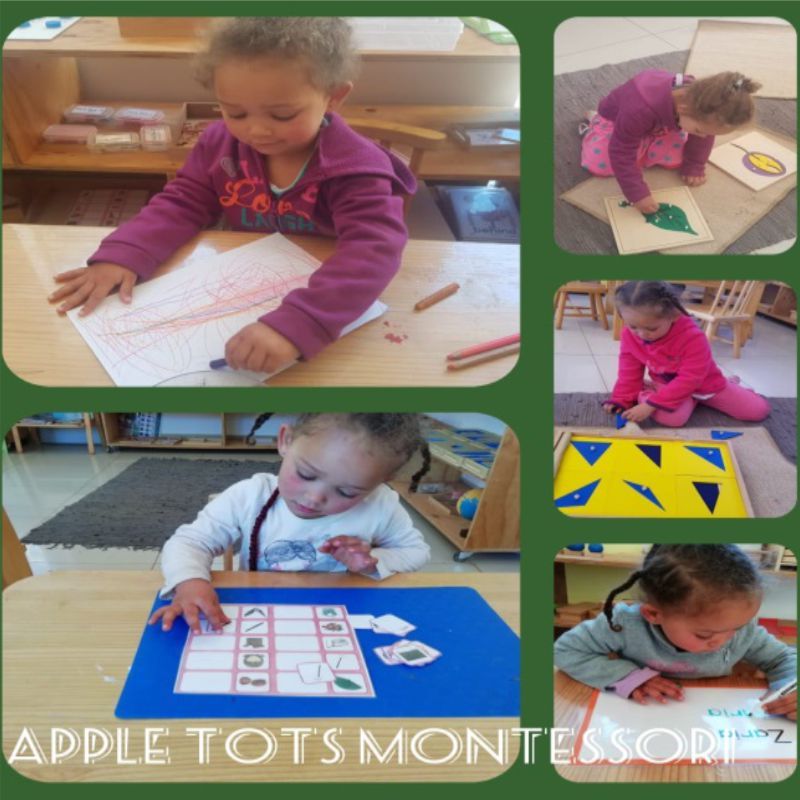
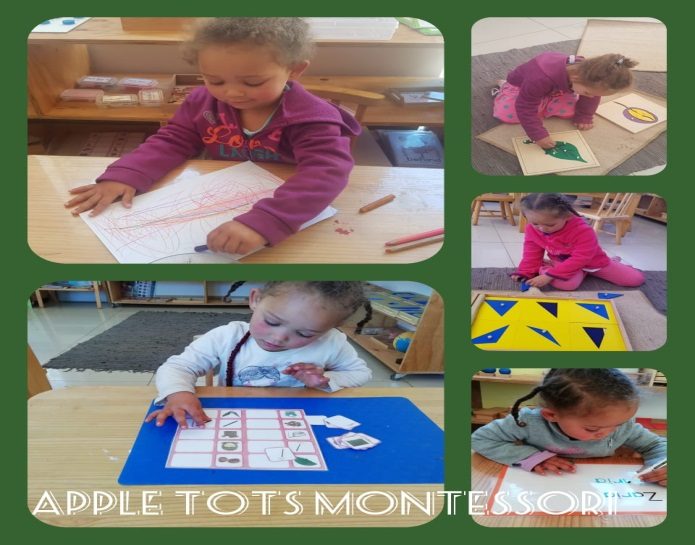
Practical Life and Sensorial activities prepare children for language by developing their pincer (pencil) grip and practising left-to-right and anti-clockwise movements. Montessori observed that children often show an interest in writing before reading, so we begin with handwriting and, when the child is ready, teach the phonic sounds of letters (c for cat) alongside letter formation.
Children then build three-letter phonic words such as pig, dog and bus before reading them, followed by four-letter words and phonemes, with carefully chosen reading books at each stage.
All children develop at their own pace, and the Montessori ethos is always to follow the child. We can’t guarantee every child will be reading when they leave us, but through careful observation we will know when your child is ready, and support them on that exciting journey.
Area four
Mathematics
Practical Life and Sensorial work build organisation and the ability to sort and grade objects, complemented by number rhymes and spontaneous counting during the day.
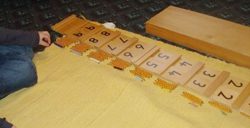
We always begin with counting. Many children can recite numbers in order, but counting with one-to-one correspondence (think of counting stairs one at a time as you climb) comes with development. Once that is secure we introduce numerals, matching objects to numerals and putting them in sequence. Children then meet addition, subtraction, and even thousands, hundreds, tens and units. Our maths resources are exceptional, whatever your child’s ability.
Area five
Cultural
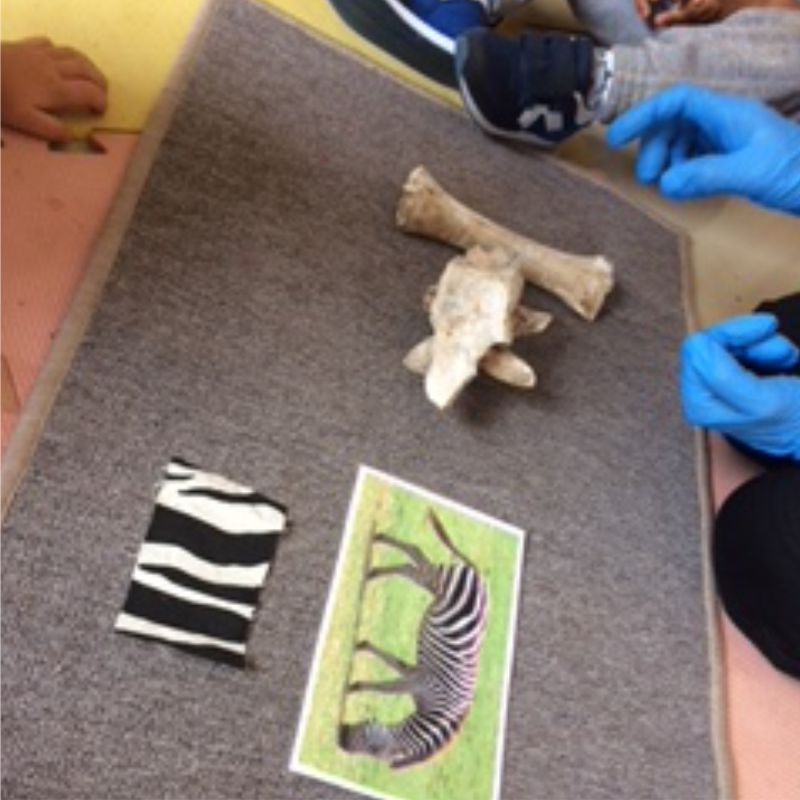
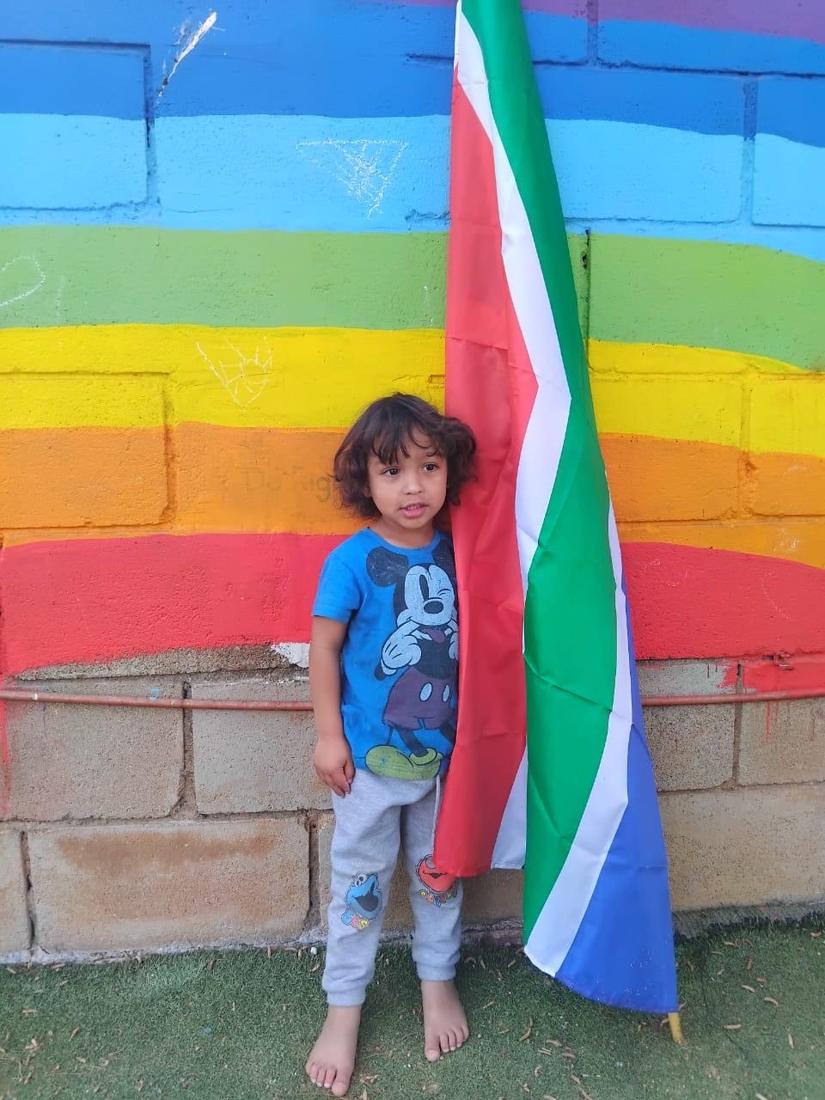
The cultural curriculum helps children learn about the world around them: biology, geography, simple science and history. Teachers use planned and spontaneous activities and give children the correct names for flora and fauna.
Children learn to respect the environment and value the diversity of its inhabitants, through festivals in our own and other cultures, gardening, life cycles, magnetism and the planets of our solar system. Our teachers often make resources by hand to reflect the children’s interests.
Come and see Apple Tots for yourself
Call Goretti De Canha on 072 279 9550 to arrange a visit.